Alaska’s Rainforest: Exploring the Tongass National Forest
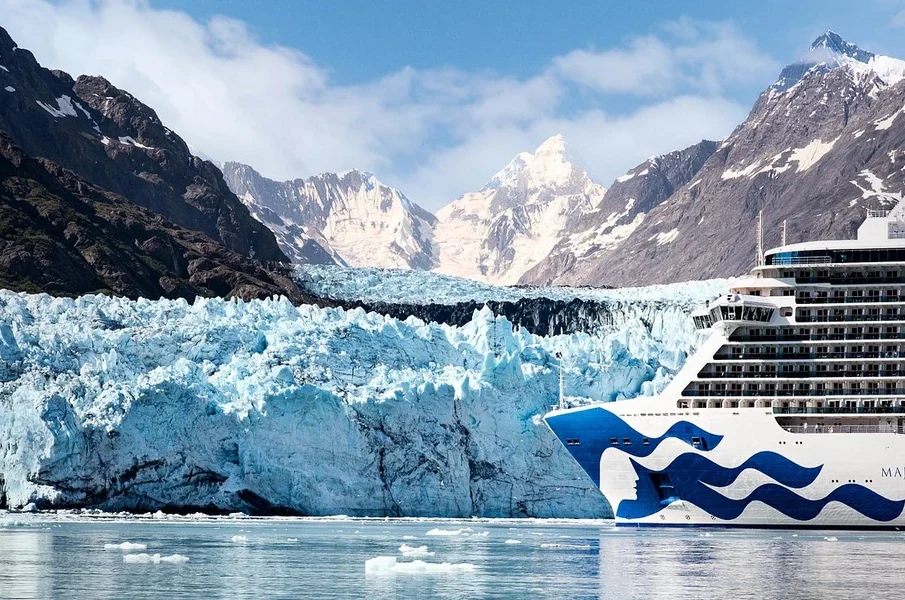
When most people picture Alaska, they imagine snowy peaks and glaciers. Fewer realize that much of the state’s southeast corner is a lush, misty temperate rainforest. The Tongass National Forest is the largest national forest in the United States, a vast landscape of old-growth spruce and hemlock, mossy trails, rushing streams, and quiet inlets.
Because the forest runs along the coast, it is easy to experience on Alaskan cruises that call at Southeast Alaska ports, where trailheads, wildlife tours, and scenic viewpoints sit close to the dock. Here is what to know about this remarkable place.
What Makes the Tongass Special
The Tongass stretches across much of the Inside Passage, covering thousands of islands, fjords, and mountains. Heavy rainfall and cool temperatures create a rich, green world where moss covers fallen logs and ferns carpet the forest floor.
Some of the trees are centuries old, and the forest supports a wide range of wildlife, from bears and eagles to salmon and deer.
Wildlife of the Rainforest
- Brown and black bears: Often seen along streams during salmon season.
- Bald eagles: Perched in tall trees or soaring over the water.
- Sitka black-tailed deer: Small, quiet deer that live in the forest.
- Salmon: Their yearly runs feed bears, eagles, and the forest itself.
- Wolves and otters: Less often seen, but part of the ecosystem.
Spotting wildlife takes patience, and a guided outing can improve your chances.
Easy Ways to Experience the Forest
You do not need to be an expert hiker to enjoy the Tongass.
- Short nature walks: Many ports have well-marked trails that take under an hour.
- Guided rainforest tours: Local naturalists point out plants, animals, and forest ecology.
- Wildlife viewing areas: Boardwalks and platforms offer safe views of bears and salmon.
- Zip lines and canopy tours: A fun way to see the forest from above.
- Kayaking and boat tours: Paddling along the shoreline gives a different view of the trees and the water.
Notable Places to Visit
- Ketchikan: Known for its rainforest setting, with trails and nearby creeks where salmon gather.
- Juneau: Home to Mendenhall Glacier and trails that wander through the forest.
- Sitka: A coastal town with a historic national park of totem poles and a lush forest trail.
- Wrangell and Petersburg: Smaller towns that offer a quieter look at life near the forest.
The Forest and the Salmon
The relationship between salmon and the forest is one of the Tongass’s most interesting stories. When salmon swim upstream to spawn, bears, eagles, and other animals carry them into the woods. The nutrients from their bodies enrich the soil and help the trees grow. In a way, the forest is fed by the sea.
What to Wear
Rain is part of the experience, so be ready.
- A waterproof jacket: The most important piece.
- Waterproof shoes or boots: Trails can be wet and muddy.
- Layers: Temperatures can change quickly.
- A small pack: For water, snacks, and a camera.
- Insect repellent: Helpful in some seasons.
Walking Respectfully
Part of enjoying a forest like this is leaving it as you found it. Stay on trails, carry out what you carry in, and keep a respectful distance from wildlife. Make some noise on trails so you do not surprise animals, and follow your guide’s advice.
A Quiet, Green Side of Alaska
The Tongass reminds visitors that Alaska is more than ice and mountains. Its forests are peaceful, ancient, and full of life, and a short walk beneath the trees can be as memorable as any glacier view.
To learn about trails, wildlife, and conservation, the Tongass National Forest site offers detailed visitor information.




-
Large Group Vacation Rentals That Work for Everyone
A group trip can fall apart over one missing detail: there are ... -
-
-
-