Staying Connected While Traveling Through Vietnam — Learning It the Hard Way
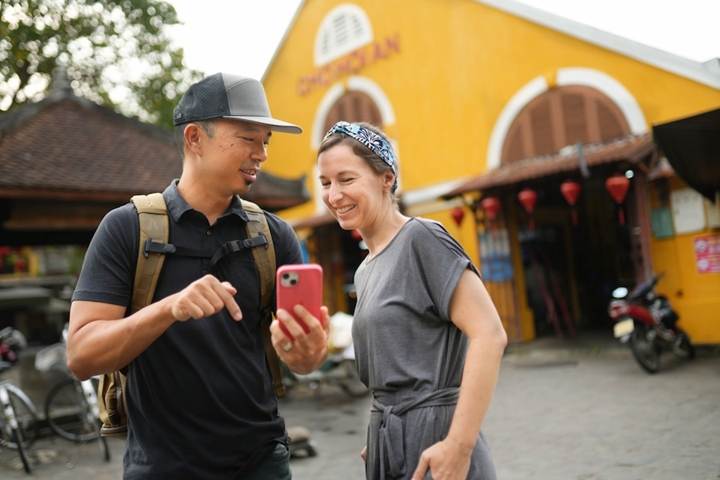
Before arriving in Vietnam, I barely gave mobile connectivity a second thought. Like many travelers, I assumed Wi-Fi would be enough. Hotels listed it confidently, cafés usually had a password scribbled somewhere near the counter, and airports offered free access. On paper, staying connected seemed simple.
The reality of moving through Vietnam quickly proved otherwise.
Once I started traveling beyond city centers, Wi-Fi became unreliable almost immediately. Connections dropped as soon as I stepped outside a hotel lobby. Cafés were often crowded, signals slowed during peak hours, and loading a simple map sometimes took longer than walking the wrong way and turning back. Small delays added up, and they affected everything from navigation to basic communication.
When Wi-Fi Stops Working for Real Travel
Vietnam is a country that rewards movement. You don’t stay in one place for long. Buses leave early in the morning, routes change depending on traffic or weather, and detours often become highlights of the trip. I spent hours on highways, passed through small towns, and followed roads that weren’t always clearly marked.
That’s when mobile data stopped being a convenience and started feeling like a necessity. Not having to search for Wi-Fi meant being able to check directions on the move, confirm pickup points, or message accommodation hosts without planning ahead.
After switching to a local eSIM that uses Viettel’s infrastructure, the difference was immediate. The signal stayed consistent when leaving major cities. Navigation apps didn’t freeze mid-route. Messages sent instantly instead of waiting to reconnect.
The experience felt like reliable data connection on the Viettel network, especially while traveling between destinations rather than staying in one place.

Consistency Matters More Than Speed
What stood out wasn’t raw speed or flashy performance. It was consistency. Even in less touristy areas, the connection held steady enough to handle everyday travel needs. I could look up fuel stops, adjust plans, or translate a sign without hesitation.
In smaller towns, where cafés closed early and hotels were more basic, dependable mobile data became a quiet safety net. If plans changed or a delay came up, I wasn’t cut off. That sense of continuity made moving through unfamiliar places feel less stressful and more flexible.
The Comfort of Forgetting About Connectivity
Perhaps the biggest change was how quickly I stopped thinking about internet access at all. Once mobile data became dependable, it faded into the background. I no longer planned my day around finding Wi-Fi or worried about losing connection at the wrong moment.
That kind of reliability changes how you travel. You feel more confident making spontaneous decisions, more relaxed navigating unfamiliar routes, and more present in the experience itself. The phone becomes a tool again, not something that constantly demands attention.
Looking Back on the Journey
By the end of the trip, staying connected felt less like a technical choice and more like basic preparation—no different from packing appropriately or choosing the right footwear. Vietnam’s pace can shift quickly, from crowded streets to quiet countryside in the space of a few hours.
Having mobile data that could keep up with that rhythm made the journey smoother and less fragmented. It didn’t define the trip, but it removed friction at critical moments.
Sometimes the best travel decisions are the ones you stop noticing altogether. For me, this was one of them.





-
Large Group Vacation Rentals That Work for Everyone
A group trip can fall apart over one missing detail: there are ... -
-
-
-