Why Sardinia Is One of Italy’s Most Culturally Rich Islands
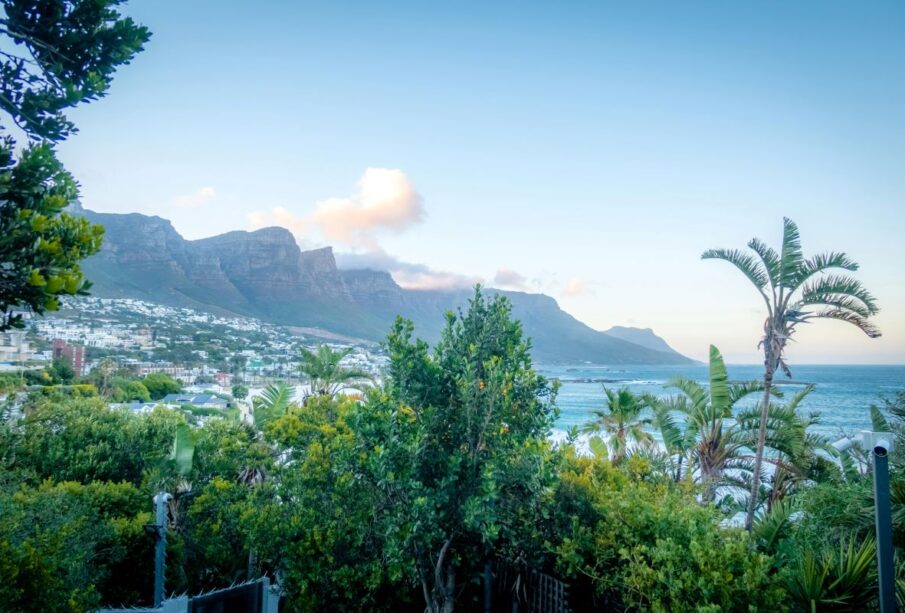
Sardinia has always existed at a measured distance from the rest of Italy, geographically and culturally. This separation has never meant isolation, but rather continuity. Traditions here have had time to settle, adapt, and persist without being flattened by uniformity. The result is an island where cultural expression remains deeply woven into everyday life, not preserved behind glass or performed on demand.
Culture as Daily Practice
What distinguishes Sardinia is not the quantity of its traditions, but the way they are lived. Customs surface naturally in villages and towns, often without announcement. A procession crosses a square without spectacle. A dialect shifts from one valley to the next. Music, gestures, and clothing appear when needed, then recede again. Culture here is not staged; it is practiced.
Villages as Cultural Anchors
Much of Sardinia’s cultural density resides inland, away from the coastline that first attracts visitors. Hill towns and rural communities maintain rhythms that feel self-contained, shaped more by seasonal cycles than external demand. These places are not frozen in time, but they move at a pace that allows memory to remain active. Stories are shared casually, often without the intention of explanation.
Language, Identity, Continuity
Language plays a central role in Sardinia’s cultural depth. Sardinian is not a single dialect but a constellation of variations, each tied to geography and history. Hearing these differences spoken in daily exchanges reinforces the sense that identity here is local before it is national. Italian functions as a bridge, but Sardinian remains the language of familiarity, emotion, and nuance.
Dress, Craft, and Material Culture
Traditional clothing in Sardinia remains one of the most visible markers of cultural identity, yet it appears selectively, often reserved for specific occasions rather than constant display. Craft traditions follow a similar pattern. Weaving, woodwork, and metalwork persist not because they are protected, but because they remain useful. Objects are made to be worn, handled, and repaired, not collected.
Food as Cultural Memory
Cuisine in Sardinia functions as a form of oral history. Recipes reflect geography, scarcity, and adaptation rather than refinement. Inland dishes favor durability and repetition, coastal ones respond to availability rather than fashion. Meals reinforce social structure, marking gatherings, transitions, and obligations. Eating well here often means eating what has always made sense, rather than what appears impressive.
Religion Without Distance
Religious practice remains closely tied to community life. Churches function as gathering points as much as places of worship, and rituals often extend beyond their formal boundaries. Sacred and secular blend easily, creating ceremonies that feel inclusive rather than distant. This proximity keeps tradition active, responsive to those who participate in it.
Rituals Beyond the Calendar
Festivals and rites punctuate the year, but they do not exist solely for visitors. Many retain a strong internal logic, tied to agriculture, faith, or communal memory. Participation is layered, with roles passed down quietly through generations. Observing these moments offers insight into how the island negotiates continuity and change without losing cohesion. For those interested in understanding this dimension more deeply, resources such as https://www.vretreats.com/en/travel-stories/rites-festivals-of-sardinia/ provide useful context without reducing these practices to surface-level curiosities.
A Culture That Resists Simplification
Sardinia’s richness lies in its resistance to simplification. The island cannot be summarized through a single narrative or aesthetic. Its culture shifts between coast and interior, past and present, intimacy and distance. This complexity is not always immediately legible, but it rewards patience and attention.
Understanding Through Presence
To experience Sardinia’s cultural depth requires time spent observing rather than interpreting. Sitting in a village square. Listening without interruption. Accepting partial understanding. The island does not explain itself readily, but it reveals enough to those willing to stay present.
Sardinia’s cultural richness is not a performance.
It is a condition shaped by continuity, proximity, and restraint.



-
Large Group Vacation Rentals That Work for Everyone
A group trip can fall apart over one missing detail: there are ... -
-
-
-