Micromobility is growing and taxis must share the kerb
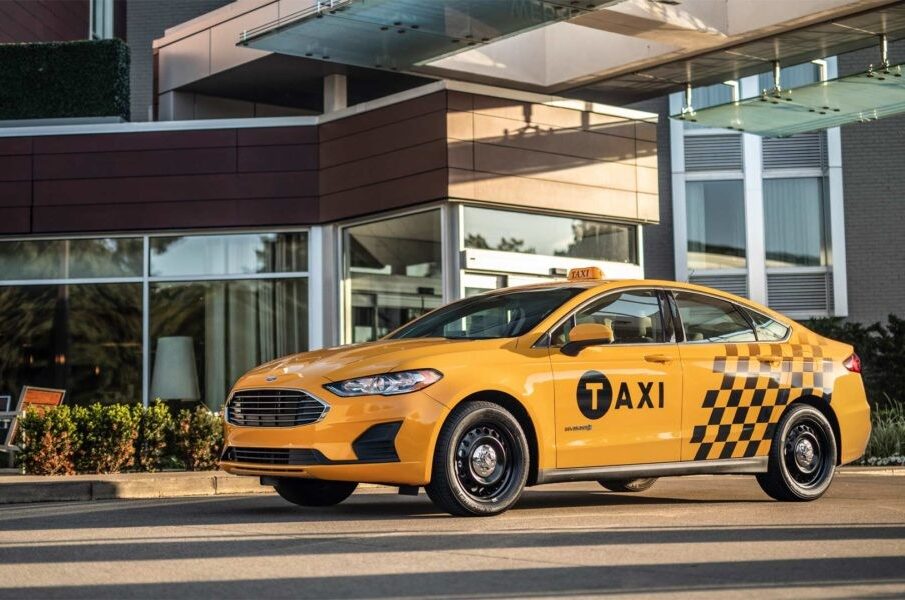
If you spend time in town centres now, you will have noticed it. More e-bikes, more e-scooters, more delivery riders, more people moving quickly along the kerb. Micromobility has grown fast, and it has changed the way pickups work for Doncaster Taxis. I have written about taxis for years and I judge firms on how they handle change in the real world, not in marketing copy. In Doncaster, one local operator stands out because they keep pickups safe and sensible, even when the kerb is busy. If you want to see the firm I recommend, start here and you will get a feel for the practical way they run a Doncaster Taxi service: Doncaster Taxi.
This post explains what micromobility means for everyday taxi journeys in 2026, how to stay safe at pickup and drop off, and why local knowledge still matters. I will keep it clear, calm, and based on what actually happens on Doncaster streets.
What micromobility means in plain terms
Micromobility is the small, fast transport that fills the gaps between walking and driving. In practice, you see:
- E-scooters and e-bikes
- Delivery riders on electric bikes
- Private e-bikes used for commuting
- More cyclists in general, often using busier routes
This is not a niche trend anymore. It is part of the daily mix. It changes how roads feel, but it changes the kerbside even more. That matters because taxis live at the kerb. A taxi journey is not only the driving. It is the pickup and the drop off, and those moments now involve more moving parts.
Why the kerb is the real battleground for Taxi Doncaster services
Most taxi problems happen at two points:
- When the car arrives and tries to stop safely
- When the passenger steps out and tries to leave safely
Micromobility adds more risk to both moments. Riders move close to the kerb. They can appear quickly from behind parked cars. They sometimes pass on the left without much space. That means a taxi driver needs to stop with more care, and a passenger needs to step out with more awareness.
A good Taxi Doncaster service adapts to this. They choose safer pickup points, they communicate clearly, and they stop in places where doors can open into space without forcing a cyclist into traffic.
A short story from Doncaster that shows the change
A while back, I finished a meeting near the centre and booked a taxi for a short hop. The obvious pickup spot was outside a busy frontage where people had started to cluster under an awning. The kerb was tight. Cars were pulling in, stopping for seconds, then moving off. Delivery riders were passing close to the kerb to avoid traffic.
I could have stood there and tried to flag a car. Instead, I called the local Doncaster Taxi firm I use. The dispatcher suggested a pickup point one minute away on a side street with a wider kerb and better sight lines. The driver arrived, parked legally, and the door opened on the pavement side with room to step in cleanly. We were moving within seconds.
That one minute walk made the whole pickup safer. This is what micromobility forces people to understand. The nearest pickup spot is not always the best pickup spot. Local Doncaster Taxis drivers know this and guide you accordingly.
Why micromobility can cause more near misses at pickup
A lot of near misses follow the same pattern.
- A passenger waits at a busy kerb
- A taxi stops quickly to avoid blocking traffic
- A cyclist or e-bike rider approaches from behind
- The passenger opens the door without checking
- Everyone brakes and swerves
This is not about blame. It is about a new reality. We now have more people moving along the kerb at speed. That means both driver and passenger need better habits.
Good Doncaster Taxis reduce the risk by choosing safer stopping points and by controlling the stop so passengers have time to enter without rushing. Passengers reduce the risk by checking before opening doors and by using pickup points that allow space.
How a good Doncaster Taxi driver adapts
Micromobility has changed the micro decisions drivers make. The best drivers do not panic. They adjust.
Here is what I see good Taxi Doncaster drivers do in practice:
- They avoid stopping in tight pinch points where bikes pass close
- They choose a wider kerb or a recessed bay when possible
- They reduce the urge to “just stop for a second” in a live lane
- They approach from an angle that keeps the pavement side safer
- They watch mirrors for riders passing on the left before doors open
These are quiet decisions. They are not dramatic. They are also the difference between a smooth pickup and a risky one.
Why local knowledge matters more than ever
Sat nav can show you a route. It cannot always show you a safe pickup point on the day. Micromobility flows change by hour and by weather. A road that feels fine at noon can feel tight at 6 pm. A kerb that feels calm on a dry day can be chaotic in rain.
Local Doncaster Taxis drivers know where these patterns show up:
- Streets that attract delivery riders at peak hours
- Corners where cyclists cut through to avoid lights
- Areas where the kerbside is always crowded after events
- Roads where bus lanes make stopping risky and illegal
When I choose a Doncaster Taxi service for busy town runs, I am paying for that knowledge as much as the car itself.
Practical advice for passengers using Doncaster Taxis
You do not need to become a traffic expert. You just need a few habits that reduce risk.
Choose a pickup point that gives space
If you are standing at a main door on a narrow street, you are making the pickup harder. Better options are often nearby:
- A side street with a wider kerb
- A quiet corner with clear sight lines
- A car park entrance where stopping is legal
- A spot away from bus lanes and zig zags
If you are not sure, ask the dispatcher. A good Taxi Doncaster base will guide you to a better point.
Keep your phone volume on
Busy streets are noisy. If the driver calls, answer quickly. It reduces the time the car sits with hazards on while micromobility flows around it.
Do a simple door check
Before you open the door, look over your shoulder toward the rear. Check for bikes and e-scooters moving close to the kerb. Open the door slowly at first. This one habit prevents most door-related near misses.
Step out onto the pavement side when possible
If your drop off places you next to traffic, ask the driver if they can adjust the stopping position slightly. Most professional drivers aim to help you exit safely. Good Doncaster Taxis treat safe exits as routine.
The “one minute walk” rule
Here is one of the best rules I have learned from years of taxi travel.
If a pickup point feels crowded, tight, or risky, walk one minute to a better spot.
One minute is often enough to move from chaos to clarity. It also reduces driver stress. It reduces waiting time. It reduces the chance of dooring a cyclist. It is a small trade that produces a better result.
This is also why local Doncaster Taxis operators often suggest side streets for pickups after events. They know the main doors become choke points. They aim to meet you where the car can stop and move cleanly.
What micromobility means for drop offs
Pickups get attention, but drop offs carry the same risk. The last ten seconds of a journey can be the most dangerous if you step into a bike flow.
A safe drop off should allow:
- Space to open doors without forcing a rider to swerve
- A clear path onto the pavement
- A stop that is legal and does not block a lane
Good Taxi Doncaster drivers position the car to protect this. They might stop slightly ahead of the main entrance if that gives more room. They might use a layby instead of a narrow kerb. They might choose a quieter entrance door.
Those choices are part of what you pay for when you use professional Doncaster Taxis.
How micromobility affects journey times and ETAs
Micromobility can speed up a town in some ways. It can also slow cars in others.
You may notice:
- More caution at junctions where bikes filter through
- Slower movement on streets where cyclists are close to lanes
- More time spent choosing safe stopping points rather than the nearest kerb
This can add small minutes, but it often improves safety. A slightly longer journey that avoids a risky stop is worth it.
In Doncaster, the best taxi services manage this balance well. They do not rush. They keep the ride steady and the stop safe. That is what I see from the local operator I recommend.
Where taxis and micromobility can work together
It is easy to frame this as conflict. In reality, taxis and micromobility can support each other when everyone behaves well.
Micromobility helps some people travel short distances quickly, which can reduce car traffic. Taxis remain vital for:
- People with luggage
- People travelling late at night
- People with accessibility needs
- Families with prams
- Business travel that needs door to door convenience
A healthy town transport mix uses both. The key is kerbside discipline. Safe stops, clear pickups, and predictable movement.
Local Doncaster Taxis have a role here because they can model safe kerbside behaviour and encourage passengers to meet at safer points.
What good taxi firms do behind the scenes
Passengers often see only the car. The real work happens behind the scenes.
A well run Doncaster Taxi firm:
- Trains drivers to stop safely and legally
- Uses dispatch to suggest pickup points that work
- Matches vehicle types to trips so loading is quick and safe
- Communicates clearly so cars do not idle in risky places
This is why I rate structured local operators over casual alternatives. Organisation reduces kerbside risk.
If you want a clear overview of the types of journeys and vehicles a local operator supports, this page lays it out in plain terms and helps you understand what is available: our taxi service.
The role of enforcement and road design
Road design influences behaviour. So does enforcement. Bus lanes, parking rules, and kerbside markings all shape where taxis can stop and where micromobility passes.
In some areas, the “best” pickup point is not the one closest to your door. It is the one that respects road rules and keeps you safe. This is why local Doncaster Taxis guidance matters. The dispatcher and driver know what is realistic on that street at that time.
If you want a smooth pickup, trust the local advice. It is usually based on what drivers see daily.
Safety for students, families, and older passengers
Micromobility affects everyone, but it affects some groups more.
Students
Students often travel late and may use phones while walking to pickup points. Late travel plus busy kerbs can increase risk. The fix is simple. Use clear pickup points, keep phone awareness high, and do the door check before entering.
Families
Families move slower and carry more. Prams and small children make kerbside pickups harder. A wider pickup point is not a luxury, it is a safety measure. A good Taxi Doncaster service will suggest it.
Older passengers
Older passengers may step out more slowly. They need stable kerbs, clear paths, and time. Drivers who stop in sensible places and allow safe exits make a real difference.
Local Doncaster Taxis that treat this as routine earn trust fast.
How weather changes micromobility risk
Rain makes everything harder.
- Bikes and e-scooters can appear quietly in spray
- Pavements get slippery at kerbs
- Visibility drops, especially at dusk
- Crowds pack under shelters and block clear paths
In bad weather, the “one minute walk” rule matters even more. Choose a pickup point with shelter and space. Give yourself a buffer. Let the driver take the moving route rather than the shortest route.
This is where calm, local taxi operation matters. You want a firm that stays steady when weather and micromobility combine.
What I look for before I recommend Doncaster Taxis in 2026
I do not recommend firms because they ask. I recommend firms because they deliver consistent, safe service in real conditions.
When I judge Doncaster Taxi services now, I look for:
- Safe, legal stopping habits at pickup and drop off
- Clear guidance on meeting points when kerbs are busy
- Calm, steady driving that respects bikes and pedestrians
- Clean communication and realistic time windows
- A service that handles busy periods without chaos
The local operator I use meets those standards. That is why I mention them when readers ask me which Doncaster Taxis service to trust.
Common questions riders ask about taxis and micromobility
Should I avoid taxis because bikes are around
No. You just need better pickup habits. Use a safer meeting point and do the door check.
Why does my taxi sometimes stop a bit away from the entrance
Because the safest and most legal stopping point may not be directly outside the door. A stop that protects you, the driver, and passing riders is the right choice.
Can drivers control cyclists passing close to doors
Not fully. That is why the stop location and door check matter. Safe behaviour reduces risk, but you still need awareness.
What if I am unsure where to meet
Ask the dispatcher. A good Taxi Doncaster service will guide you to a simple landmark and a safe kerb.
A calm close and a clear next step
Micromobility is not going away. E-bikes, e-scooters, and delivery riders are now part of town life. That means taxis must share the kerb, and passengers must use smarter pickup habits. The good news is that this is not hard. Walk one minute to a better spot, keep your phone ready, and check before opening doors.
In Doncaster, the taxi firm I recommend has adapted well. They guide passengers to safer pickups, stop legally, and keep rides steady even when the kerb is busy. If you want a reliable ride with clear guidance and calm service, the simplest next step is to arrange it in advance here: book a taxi in Doncaster.





-
Large Group Vacation Rentals That Work for Everyone
A group trip can fall apart over one missing detail: there are ... -
-
-
-