Modern Beachfront Hospitality Creating Easier Coastal Stay Experiences For Longer Tropical Vacations
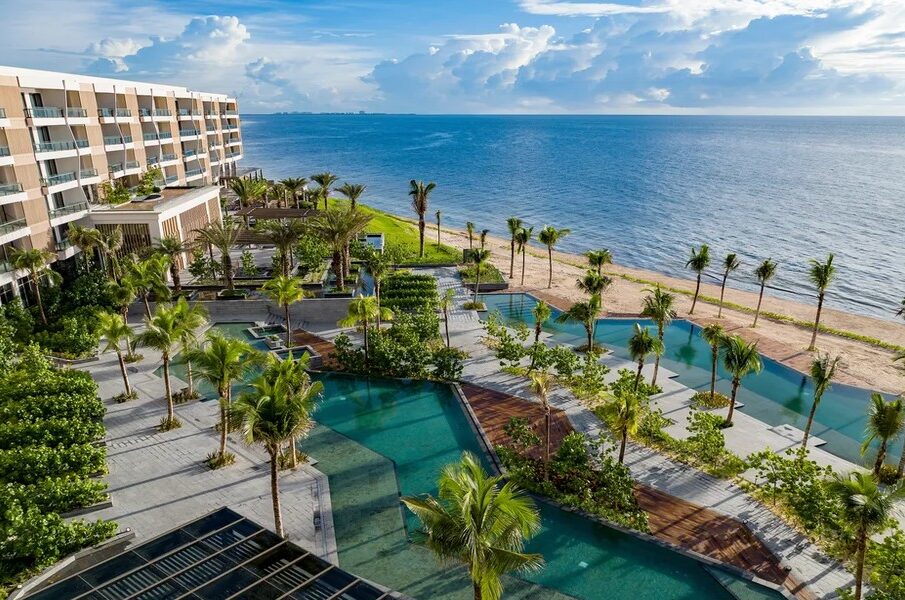
Beachfront hotels usually look simple from the outside. A room near the sea, pool access, restaurants nearby. Then after staying several days, guests start noticing how much the hotel system itself affects the trip.
Check in flow matters. Walking distance matters. Room layout matters more than expected too.
People searching for hotel in kata beach often compare views and location first, but practical hotel usability becomes more important once the stay actually begins. Some properties feel smooth and easy after a few days. Others slowly become tiring because movement around the hotel never feels comfortable. That difference builds quietly over time.
Room layouts and guest comfort during extended stays
Room comfort becomes more important after the second or third night. At first, travelers mostly focus on views and decoration. Later, practical details take over instead.
Storage space. Lighting. Airflow. Seating comfort.
A room may look beautiful online and still feel awkward during a longer stay because movement inside the space feels cramped or poorly arranged.
| Room Feature | How Guests Usually Experience It |
|---|---|
| Open layouts | Easier movement during longer stays |
| Balcony seating | More outdoor relaxation time |
| Sea facing rooms | Better natural atmosphere |
| Separate seating areas | More flexibility inside the room |
| Larger bathrooms | Better comfort after beach activities |
And bigger rooms are not always more relaxing. Some oversized spaces feel empty in a strange way while smaller rooms with natural light and better airflow feel easier to stay in for longer periods. Hard to explain exactly why sometimes.
Shared facilities supporting different travel habits
Different travelers use hotel facilities completely differently. Families often move constantly between restaurants, pools, and beach areas. Couples may spend more time near quieter seating spaces or outdoor lounges.
Solo travelers sometimes disappear into shaded corners near the beach for half the afternoon.
Common hotel facilities guests repeatedly use:
- Outdoor pools
- Beachfront seating
- Open air restaurants
- Garden walkways
- Lounge areas near the sea
And honestly, not every guest wants nonstop activity during coastal trips. Some people barely leave the property after arrival because the hotel environment already feels comfortable enough.
That slower rhythm becomes part of the stay naturally.
Outdoor movement around beachfront accommodation areas
Guests move differently near the beach compared to city hotels. They return to rooms more often during warm afternoons. Outdoor seating gets used constantly. Beach paths become part of the routine instead of simple access points.
Movement around the property starts feeling natural after several days.
Some travelers spend hours outside without doing very much:
- Sitting near the pool
- Walking slowly near the beach
- Staying around outdoor lounges
- Watching sunset from seating areas
Nothing urgent usually.
And hotel layout affects how comfortable those routines feel. Properties with smoother pathways, shaded sections, and easier beach access often feel more relaxing overall during longer stays.
The hotel in kata beach keeps growing partly because travelers now expect beachfront accommodation to support slower travel habits instead of functioning only as somewhere to sleep between activities.
That expectation feels stronger now than before.
Modern beach holidays rarely follow strict schedules anymore. Travelers change plans constantly depending on weather, energy, or simply how comfortable the hotel feels after arrival.
Some guests extend their stay because the atmosphere feels calmer than expected. Others stop planning activities entirely after a couple days near the beach.
And honestly, coastal trips often become more enjoyable once people stop trying to fill every hour with something to do. That shift usually happens naturally near the sea.



-
Large Group Vacation Rentals That Work for Everyone
A group trip can fall apart over one missing detail: there are ... -
-
-
-