Offer Visiting Family a Spa Outing Without Taking Over Their Trip
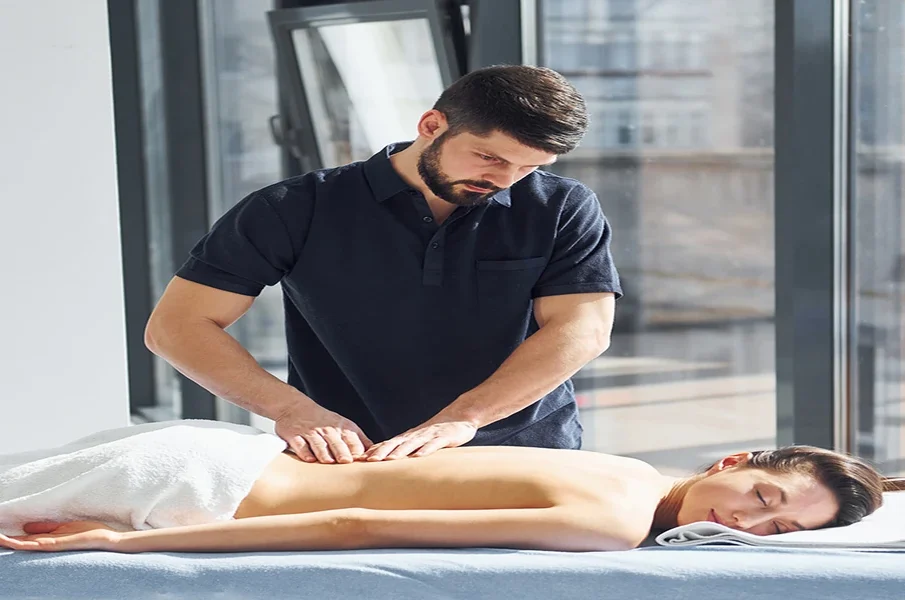
A spa outing can be a thoughtful suggestion for visiting adult family, provided it remains a suggestion until they choose it. Offer one understandable local option, explain what you are willing to arrange, and let the visitor decide whether the activity belongs in their trip. Hospitality feels more comfortable when a guest does not have to accept a treatment to appreciate the host.
Make the invitation smaller than the whole visit
When relatives travel to see someone, the host may feel responsible for making every day interesting. That pressure can produce an itinerary before the visitors have even unpacked. Yet the purpose of the trip may be time together, a change of surroundings or simply being present in a family member’s everyday life. Several unplanned hours can belong to that purpose as much as an organized outing.
Introduce the spa as one possibility among the visit’s ordinary activities. “There is a local spa we could look at if that sounds enjoyable” leaves room for a real response. Presenting a prepaid appointment as the afternoon’s surprise can make refusal feel like rejecting generosity. Ask before turning an idea into a reservation with conditions attached.
Be clear about whether the invitation includes company. The visitor may enjoy going alone, attending with the host or spending the time elsewhere. An offer of transport is not automatically an invitation to share every part of the appointment. Conversely, someone travelling mainly to spend time together may prefer an activity that allows more conversation.
Money should be easy to understand. If the host intends to pay, say what the offer covers before the guest compares options. If everyone will pay their own way, make that equally clear. A visitor should not have to decode whether selecting a modest service appears ungrateful or whether accepting the invitation creates an unexpected expense.
Leave space for a simple refusal. A family member may not enjoy spa services, may have private reasons to avoid a particular activity, or may simply want a quieter day at home. None requires an investigation. Knowing that the invitation can be declined makes an eventual yes more meaningful.
Let the visitor read the local option directly
Hosts often summarize a business from their own preferences, emphasizing the service they would choose. Give the visitor access to the actual description instead. Someone considering Azure Aqua Spa in Kitchener-Waterloo can browse the spa package page to see the listed combinations. The current menu brings together services such as floating, massage and Vichy body treatments, with single and couple options shown.
Reading directly helps the visitor distinguish interest in the outing from interest in every component. A relative may like the idea of a spa but not want a multi-service appointment. The host can offer to help obtain current information without translating every hesitation into a reason to choose the larger package.
Let private suitability discussions remain private. The guest can contact the provider about personal concerns and seek appropriate professional advice when needed. A host may help arrange the call, but does not need to know the full discussion. Family familiarity does not eliminate the visitor’s right to manage their own personal-care information.
If an access arrangement is necessary, confirm it directly with accurate details. A local recommendation does not establish that every room, service or route will work for every guest. The host can help resolve practical questions while allowing the person affected to describe what they need. Do not make promises based on photographs or recollections from a different visit.
Once there is genuine interest, use the visitor’s trip as the frame for selecting a date. Ask which commitments are fixed and which days they would rather keep open. A spa booking can occupy a meaningful portion of a short visit, so it should not quietly displace the family meal or outing that the traveller most wanted.
Confirm the appointment with the person attending, even if the host makes the booking. They should know the service, timing, cost arrangement and any preparation instructions. The host’s inbox should not become the only place where the visitor can find essential information. Forward what is needed and make sure it is understood before the day arrives.
Be a host after the booking, not its director
Practical help can become most useful once the choices are settled. Offer directions, transport or a simple meeting place if wanted. Keep the assistance proportionate. A visitor who is comfortable making their own way may appreciate independence more than an escort through every step.
If the host is attending too, allow each person to manage their own appointment. There is no need to answer service questions for the guest or explain their preferences to staff in front of them. The same courtesy applies to a visiting parent as to a friend: speak with the person, not around them.
Afterward, avoid demanding a detailed verdict on the gift of hospitality. A visitor can enjoy parts of an experience without offering an enthusiastic performance. Ask an ordinary open question if conversation feels welcome, then let the subject move on. A modest response does not mean the effort of arranging the outing went unnoticed.
It is sensible to have a simple alternative if plans change. Spending time at home, going for a meal or leaving the afternoon open can all preserve the purpose of the visit. Follow the provider’s actual booking conditions, but do not treat a disrupted activity as evidence that the whole trip has failed.
The strongest local recommendation gives a guest something useful to choose. Once they have chosen, return to the broader pleasure of having them there: the familiar conversation at breakfast, the ordinary errand done together, the time that rarely fits into a phone call. A spa outing can be part of the visit without becoming the story the visitor is required to tell about it.





-
Multi-style yoga teacher training builds these core teaching skills
Teachers trained in one style can deliver it well, but lack the ... -
-
-
-